Blog

- Details
Chemicals linked to breast cancer risk come from many sources: our personal care products, cleaning supplies, food packaging, pesticides, the air we breathe, the water we drink, and more. These chemicals, including endocrine disrupting chemicals and mammary gland carcinogens, can alter vital pathways in our bodies. While most research has focused on single chemicals, in reality, we are not exposed to chemicals one at a time. We are exposed to many chemicals at the same time throughout our daily lives.

- Details
We are pleased to announce that Zero Breast Cancer (ZBC) is now a project of the Collaborative for Health and Environment (CHE). This new partnership is rooted in our shared commitment to translating science into action in the service of health — and we’re very excited to move this work forward together. Read the full blog by Director Kristin Schafer on the CHE website.

- Details
Read the first blog in the series here.
When thinking about why, compared to white women, black women are being diagnosed with harder to treat breast cancer at younger ages, there are a few potential reasons.
The first is one that many activist groups have been actively combating for years: Access to resources.
- Details
Apply here
You Don’t Have to Navigate Life After Breast Cancer Treatment Alone
Finishing active treatment can leave you feeling like you’re on your own – especially when you’re trying to figure out what a healthy path forward might look like.
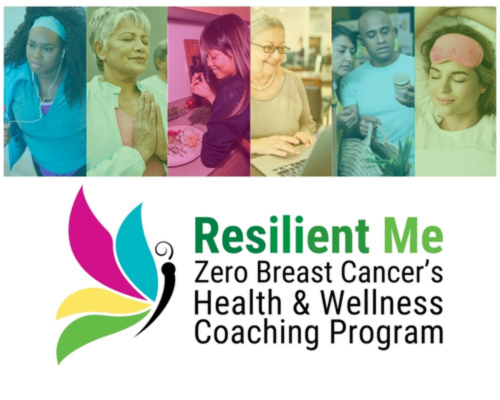
Our Resilient Me Health & Wellness Coaching Program is a free, 12-week program designed to help survivors in Northern California move past post-treatment uncertainty. Working one-on-one with a certified health and wellness coach, you will build sustainable daily habits to support your recovery, manage treatment side effects, and lower your risk of recurrence.

- Details
Ever wondered if there was a way to easily analyze the complex world of product ingredients? Meet Yuka, an innovative app founded in France by three friends who aimed to create a tool that could analyze the ingredients in food and personal care products, making it accessible to everyone. Backed by organizations like La Ligue contre le Cancer in France and Foodwatch, Yuka has made an impact on policy. Together, they launched a successful petition advocating for the ban of sodium nitrite in food, an additive estimated to be responsible for 4,000 cases of cancer per year in France. This accomplishment led to legal battles against industrial companies and a federation, resulting in Yuka's triumph after three years of legal proceedings.

- Details
My name is Akilah. I am a 33 year old black woman in the Bay Area. About six years ago, I received a short email from my mom. It said
“Hey Akilah, Consider participating in this study. I participated so you would be part of the 3rd generation cohort. Love Mommy”